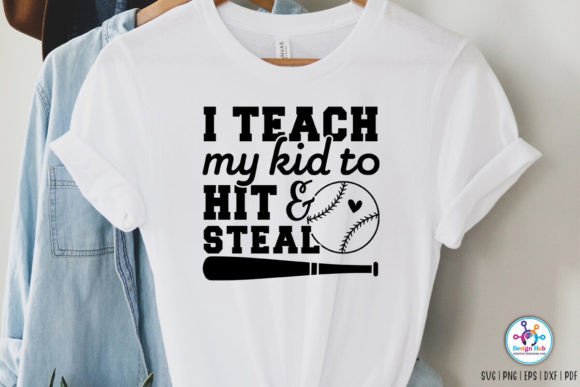
I Teach My Kid to Hit Steal SVG: Graphics and Crafts in Action
As a designer with years of experience working on branding, packaging, and digital assets, I always approach new design resources with a critical eye. When I first encountered I Teach My Kid to Hit Steal SVG, I was immediately drawn to its playful yet professional aesthetic. This graphic design asset has a unique energy that could work well in a variety of creative design projects, especially those targeting a more casual or family-oriented audience.
First Impressions: A Bold, Playful Visual Mood
The first thing I noticed about I Teach My Kid to Hit Steal SVG is its strong visual presence. The design elements are clean, bold, and full of character. It feels like it was created for a project that needs a bit of personality—something that stands out without being overwhelming. The style leans toward modern design, with a touch of hand-drawn appeal that makes it feel approachable and relatable.
This kind of visual mood is perfect for small business branding, handmade businesses, or any project that wants to convey a sense of fun and creativity. It’s not the type of asset you’d use for a corporate logo or a high-end fashion campaign, but it could be ideal for a seasonal product line, a local event promotion, or an Etsy shop looking to add a unique touch to their offerings.
Real-World Use Cases: From T-Shirts to Social Media Graphics
I Teach My Kid to Hit Steal SVG is versatile enough to fit into several different design scenarios. For instance, in t-shirt design, it could serve as a standout graphic that adds personality to a piece of apparel. In sticker design, it could be used as a decorative element that enhances the overall look of a product or packaging.
In social media graphics, this asset could be used as a hero image or a featured post. Its boldness makes it easy to read at larger sizes, and its clarity ensures it remains sharp even when scaled down. For Canva templates, it could act as a central visual element that users can easily customize and adapt to their own branding needs.
It also works well in product mockups, especially for items like mugs, phone cases, and tote bags. The design’s simplicity allows it to stand out without competing with other elements, making it ideal for print-on-demand projects or commercial design initiatives.
Best Fit: Large Layouts, Themed Collections, and Print-Ready Designs
This asset shines when used in large layout areas, such as posters, banners, or website headers. Its size and detail make it perfect for hero graphics where the visual impact is key. It also fits naturally into themed collections, like holiday merchandise or seasonal campaigns, where a cohesive visual language is essential.
For printable designs, I Teach My Kid to Hit Steal SVG offers a range of file formats—including SVG, PNG, EPS, PDF, and DXF—that make it easy to integrate into various workflows. Whether you’re creating a digital product for a client or preparing a physical item for print, this design asset provides the flexibility needed for a wide range of applications.
Where to Use It Carefully: Minimalist Branding and Complex Backgrounds
While I Teach My Kid to Hit Steal SVG is a strong design asset, it may not be the best choice for every project. In minimalist branding or professional corporate materials, its boldness could clash with a more subdued aesthetic. Similarly, using it in crowded layouts or on complex backgrounds might dilute its impact and reduce readability.
For projects that require a very clean visual hierarchy, this asset might need careful placement or modification to ensure it doesn’t overpower other design elements. It’s important to test it in different contexts before finalizing any design decisions.
Design Considerations: Readability, Contrast, and File Quality
As a designer, one of the first things I check when evaluating a graphic design asset is its readability. I Teach My Kid to Hit Steal SVG maintains good legibility at both large and small sizes, which is crucial for anything that will be printed or displayed digitally. However, I recommend testing it in black and white to see how it holds up without color.
Contrast is another important factor. If you plan to use this asset on light or dark backgrounds, make sure it still stands out clearly. Previewing it on real mockups can help determine how it performs in different environments.
File quality is also key. Check the SVG or vector files to ensure they are editable and scalable. For PNG designs, verify the transparency if it’s part of the asset. These details can make a big difference in how the design integrates into your workflow.
Practical Designer Notes: Testing and Licensing
Before using I Teach My Kid to Hit Steal SVG for a client project, there are a few practical steps I recommend. First, test it in different font styles—compare it with serif, sans serif, script, and display fonts to see how it interacts with text. This helps ensure the overall composition remains balanced and visually appealing.
Also, make sure to review the commercial license. Many design assets come with restrictions on how they can be used, especially for print-on-demand or resale purposes. Confirming the licensing terms upfront can save time and avoid legal issues later on.
Finally, consider how this asset fits into your broader design strategy. Is it a standalone element, or does it need to be integrated with other visuals? Understanding its role in the overall brand identity can help you make better decisions about where and how to use it.
Conclusion: A Versatile Asset for Creative Projects
I Teach My Kid to Hit Steal SVG is a solid graphic design asset that can bring energy and personality to a variety of creative projects. Whether you're working on a handmade business, a seasonal campaign, or a print-on-demand product line, this design has the potential to enhance your visual storytelling and elevate your final output.
Its versatility across different mediums—from t-shirts to social media graphics—makes it a valuable addition to any designer’s toolkit. Just remember to test it thoroughly, understand its limitations, and ensure it aligns with your project’s goals and brand identity.